Corns
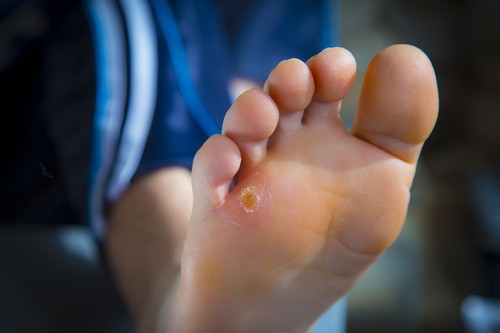
Corns can appear in different areas of the foot. Common types include hard corns (on the tops or sides of toes), soft corns (between the toes), and seed corns (on the bottom of the foot). Calluses are thick, painful skin irritations that occur on the bottom of the foot. If the thickened area is on top of the toes, we call it a corn. Corns are usually caused by shoes pressing against the top of the toes or toes pressing on each other. They are made worse if the toe is crooked or contracted (hammer toe or crooked toe).
What they are
-
Corns: These are small, thickened areas of skin that develop in response to repeated pressure or friction, most often on the toes. They tend to be round or cone-shaped and can dig into deeper layers of the skin, which is why they can be painful.
-
Calluses: These are larger, more diffuse areas of thickened skin that form to protect your skin from constant rubbing or pressure. They’re usually found on the soles of the feet (especially the heels or balls of the feet) or the palms of the hands.
Why they form
-
Corns and calluses are your body’s natural defense mechanism. When the skin experiences repeated rubbing or pressure, it creates extra layers of skin cells to protect the underlying tissues. Over time, this build-up becomes hard and thick.
Key differences
-
Corns are smaller, deeper, and often more painful because the thickened skin presses inward. They tend to have a central core that can feel tender when pressed.
-
Calluses are wider, flatter, and usually painless unless they become very thick or cracked. They’re more about surface protection than deep pressure.
Symptoms
-
For both: areas of skin that feel rough, thick, or dry.
-
Corns: May look like a raised bump with a central spot; pain is often triggered when pressure is applied.
-
Calluses: Flat, broad patches of hard skin; usually not tender unless very thick or cracked.
Causes
-
Ill-fitting shoes: Too tight causes friction, too loose causes sliding and rubbing.
-
High heels: Shift weight onto the front of the foot, causing pressure points.
-
Foot structure issues: Bunions, hammertoes, or abnormal gait can concentrate pressure on certain areas.
-
Activities: Sports, walking barefoot on rough surfaces, or work that requires repetitive hand or foot use.
Treatment
-
Footwear changes: Choose well-fitting shoes with enough room for toes and proper cushioning.
-
Protective pads: Use non-medicated pads to shield problem areas.
-
Skin care: Soak feet in warm water to soften thickened skin, then gently use a pumice stone or foot file.
-
Professional care: A podiatrist can safely remove thickened skin and address underlying causes to prevent recurrence.
Prevention
-
Wear shoes that fit properly and have good cushioning.
-
Always wear socks with shoes to reduce friction.
-
Moisturize feet regularly to keep skin supple and less prone to cracking.
-
Address underlying foot shape or walking patterns with orthotics if needed.
These areas generally represent areas of excessive pressure or friction in shoes or while walking on hard surfaces. Caution should be used whenever using any type of corn or callus removers because these medications contain acids that burn the thickened skin off. If you have diabetes, you should never use these medications without a physician's guidance. These irritations will generally reoccur after use of these medications because the source of irritation is still present.
Home remedies might include shoe cushions or pads between the toes. Regular visits to the podiatrist for reduction of the hard skin is recommended or a surgical correction of the toe for repositioning.